
My colleagues and I leaf through the obituaries in the newspapers each morning before starting our ward round.
As morbid as it sounds, we have enjoyed reading many heartwarming notices over the years, not just of our own patients but of strangers as well. We love seeing how people describe and remember their loved ones. Occasionally, we have also learnt things about our patients that we never knew - one of our patients was once a stunt double, another used to be a state-honoured school music teacher, and yet another was once charged as a teenager for public destruction of property (in form of graffiti & he eventually became an artist!). No two obituaries are the same, just like how no two patients are alike.
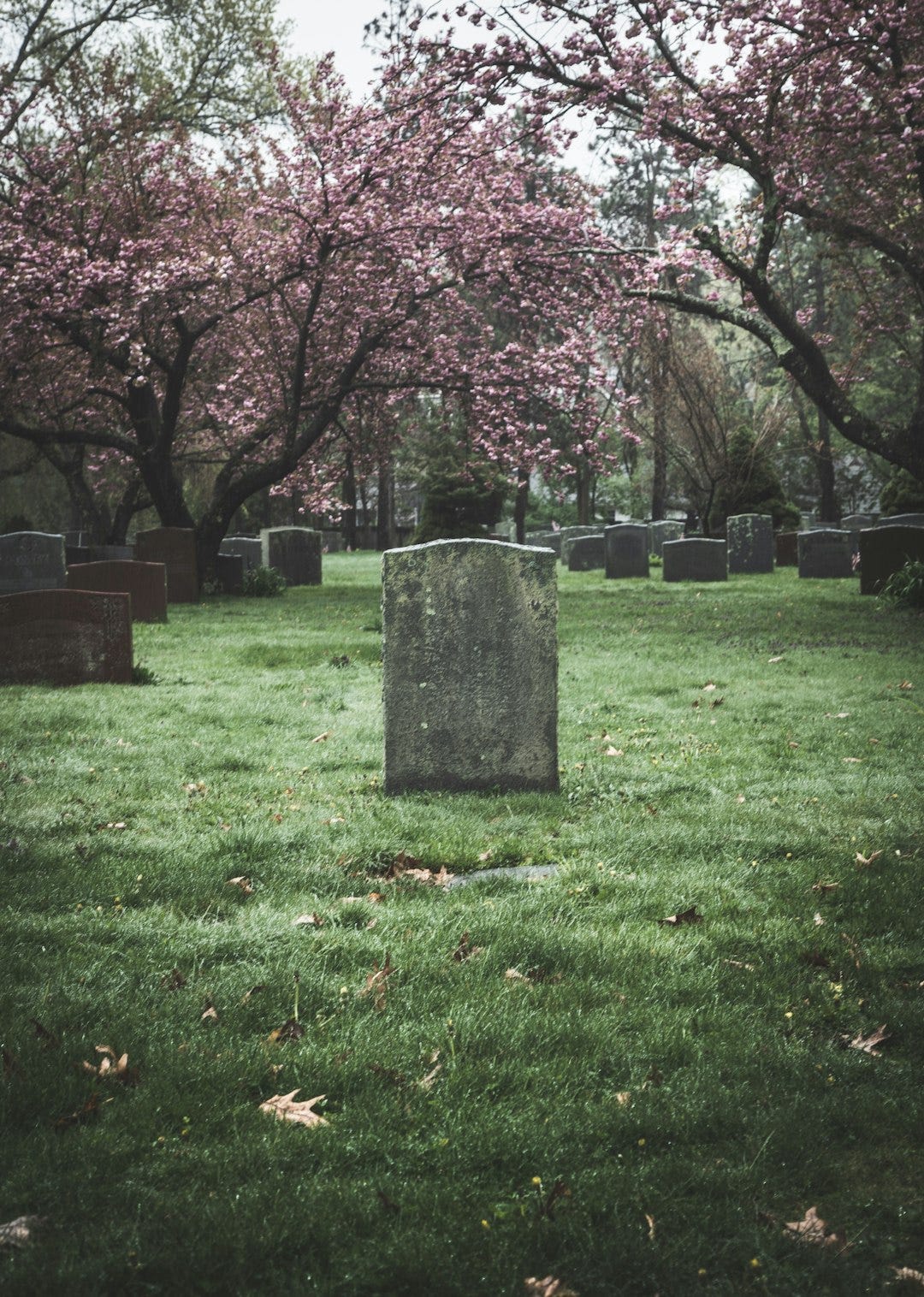
We recently found out that one of our patients had an ‘awake funeral wake’. Leslie* did not want to be absent at the gathering of all the people who loved her most, so she held her funeral wake a couple of months prior to her death, before the progression of her motor neurone disease inevitably took over. She chose the music, the musicians, the food, the venue, the cutlery, the decorations, the guests - all planned to perfection by a generous woman who wanted nothing but the best for her loved ones. She even made her family read out their eulogies on the day so that she could ‘fact-check’ them, and showed everyone a preview of the gravestone she had engraved. Her husband remarked that she had been more excited planning this wake than their own wedding.
Leslie’s awake funeral wake shed light on what I think is a brilliantly innovative way to get together with loved ones. In this day and age, when friends and family are often spread out across state lines and continents, it’s actually not a bad idea to organise this form of gathering. Think about it - how could anyone ‘send apologies’ for a funeral wake without offending the person who hasn’t yet hit the old horizontal wardrobe? I’d imagine it to be akin to a celebration of life, together with the very person you wish to honour and cherish.
It is certainly not ‘morbid’ or ‘taboo’ to talk about death - whether your own or that of others - especially not if the individual wishes to talk about it herself, amongst her loved ones. Heck, there are far worse things in life to be worrying about, than talking about this constant of life which is death. We really need to start normalising these conversations and destigmatise the name of death.
Leslie’s awake funeral wake also made me think of what I’d hope for people to say about me when I die, or what would go on my gravestone. How do I want to be remembered by the ones I love most? If I died tonight - would I be satisfied with how I lived life and loved those around me?
I intend on gently floating this ‘awake funeral wake’ idea to my own family and friends. Perhaps one day, I will get to hear my own eulogy too, and make sure my brothers include the least embarrassing stories and photos of me in their tribute.
*All names and details have been changed to protect patient confidentiality